
Active Leak Detection

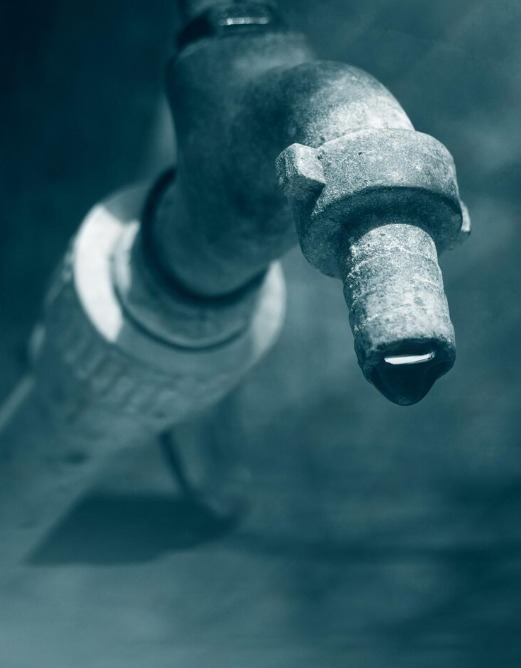
active leak detection programme
Johannesburg Water has an active leak detection programme that was approved as a part of our current Water Demand Management strategy
The aim of this strategy is to implement various programmes that will ensure reduction in physical loss and Non revenue water as well as to ensure compliance to apportionment of volumes from Rand Water in terms of our Bulk Water License agreement.
There are 15 technical teams that undertake active leak detection on a daily basis in an effort to reduce water demand within the city.
Read More
- These are dedicated teams that walk the water network on a daily basis in order to identify leaks and bursts
- The process involves inspecting the water reticulation for any visible leaks and bursts including leaking meters,valves and hydrants.. Teams utilise various tools and leak detection equipment such acoustic listening sticks (equipment that will detect sounds generated by a possible leak or burst) to determine the location
- For leaks and burst which are hard to detect , teams utilise ground microphones and correlators to assist. These types of equipment allow the operator to pinpoint the exact location of the burst or leak which are then reported to the relevant depot for repairs to be undertaken
- Leak detection teams inspect on average ,in excess of 10,500km of our water infrastructure per annum which accounts for 85% of the total water infrastructure length.
- On average per annum, these teams detect 1,456 burst pipes, 5,227 leaking meters, 341 leaking valves and 217 leaking hydrants. Reported leaks and bursts are repaired by the network plumbing teams mostly within the specified response times.
- On average approximately 8,100 Ml of water is saved due to this ongoing programme.